
Introduction
Working legally in France requires submitting and maintaining several key documents, especially if you are a foreign national. Whether you are an EU citizen or a non-EU professional, having the correct documentation ensures compliance with French labor laws and avoids fines or deportation. In 2026, France continues to maintain strict rules for legal employment, while also offering clear pathways for highly skilled workers and temporary employees. This guide explains the essential documents you need to work legally in France.
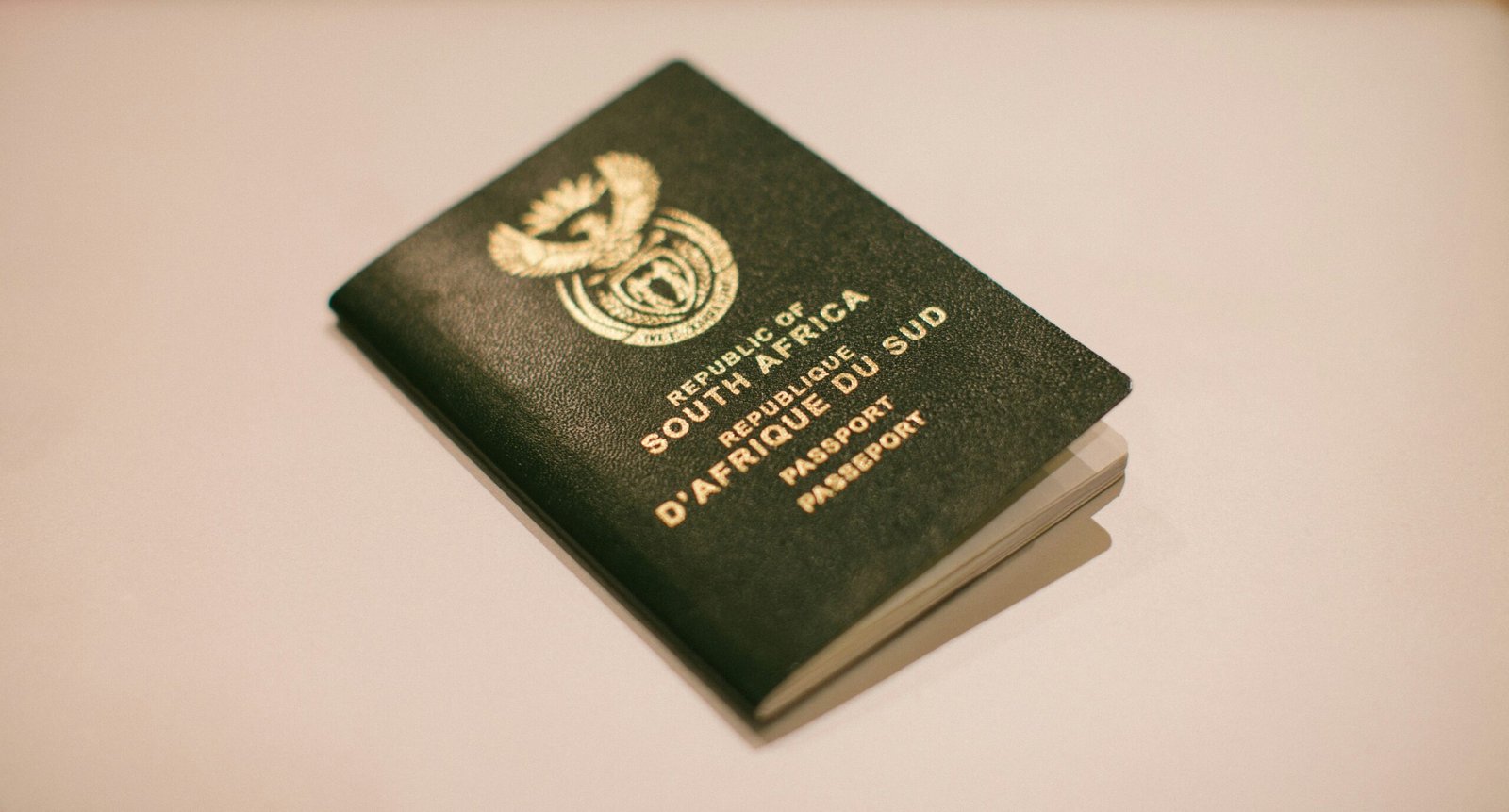
1. Valid Passport
A valid passport is the primary identification document for all foreign workers.
- Must be valid for at least six months beyond your intended stay.
- Ensure your personal details are accurate and match other official documents.
- Keep it safe, as it will be required for visa applications, residence permits, and employment verification.
2. Work Visa or Residence Permit
Most non-EU citizens require a work visa to be employed in France. Types of visas include:
- Talent Passport Visa: For highly skilled professionals and researchers.
- Salaried Employee Visa: For standard employment contracts.
- Seasonal Work Visa: For temporary work in agriculture, tourism, or hospitality.
- Intra-Company Transfer Visa: For employees moving to a French branch.
After arrival in France, many long-stay visas must be validated with the OFII (French Office for Immigration and Integration) or local prefecture to obtain a residence permit. EU/EEA citizens do not need a work visa but may need to register with local authorities depending on length of stay.
3. Employment Contract
A signed employment contract is mandatory for work authorization. It should include:
- Job title and description
- Salary and benefits
- Contract duration (permanent, fixed-term, or temporary)
- Employer’s name, address, and registration information
The employment contract is required for visa applications, residence permit validation, and for labor inspections if needed.
4. Work Authorization
For non-EU workers, a work authorization issued by French labor authorities (DIRECCTE) is required. This document confirms that your employer is authorized to hire a foreign national and that your position cannot be filled locally. The work authorization is submitted along with your visa application.
5. Proof of Qualifications
Employers often require evidence of your education and professional experience, especially for skilled roles. Documents may include:
- Diplomas, degrees, or professional certifications
- Letters of recommendation or previous employment contracts
- Translations into French or certified copies, if necessary
Certain professions, such as healthcare, engineering, or law, require additional recognition of foreign qualifications.
6. Social Security Registration
All employees in France must be registered with the French social security system to access healthcare, pensions, and unemployment benefits. Required documents include:
- Employment contract
- Passport and residence permit
- Completed registration forms for social security (available from employer or local health insurance office)
After registration, you will receive a social security number that you must provide to your employer and healthcare providers.
7. Proof of Address in France
A valid residence address is required for administrative procedures, visa validation, and tax purposes. Acceptable documents include:
- Utility bill in your name (electricity, water, or gas)
- Lease agreement or rental contract
- Attestation from your landlord or host
Proof of address is also necessary when applying for certain benefits or official documentation.
8. Bank Account Information
While not legally required to work, having a French bank account is essential for receiving your salary. Employers typically pay wages via bank transfer, and certain work permits may require proof of financial means before approval.
9. Health Insurance or Coverage
All workers in France must have health insurance coverage. EU citizens can use the European Health Insurance Card (EHIC) temporarily, but non-EU workers must join the French healthcare system through social security registration. Some private health insurance may be required for specific visa types.
10. Additional Documents for Specific Roles
Certain sectors have extra requirements:
- Healthcare: Medical licenses, professional registration, or authorization to practice in France.
- Education: Diplomas, teaching certifications, and sometimes language proficiency certificates.
- Construction & Engineering: Technical certifications or proof of vocational training.
Tips for Organizing Your Documents
- Keep both originals and copies of all documents.
- Translate documents into French when required.
- Store digital copies securely for quick access.
- Update documents such as residence permits, work visas, and contracts promptly to avoid legal issues.
Conclusion
To work legally in France in 2026, it is essential to have: a valid passport, work visa or residence permit, employment contract, work authorization, proof of qualifications, social security registration, proof of address, and health insurance coverage. Additional documents may be required depending on your profession or visa type. Preparing and maintaining all required paperwork ensures smooth legal employment, access to benefits, and long-term career opportunities in France.